Mastering the Best Southern Coconut Cake: Layers of Unforgettable Moisture & Rich, Fluffy Frosting
There's something uniquely comforting and undeniably luxurious about a truly magnificent
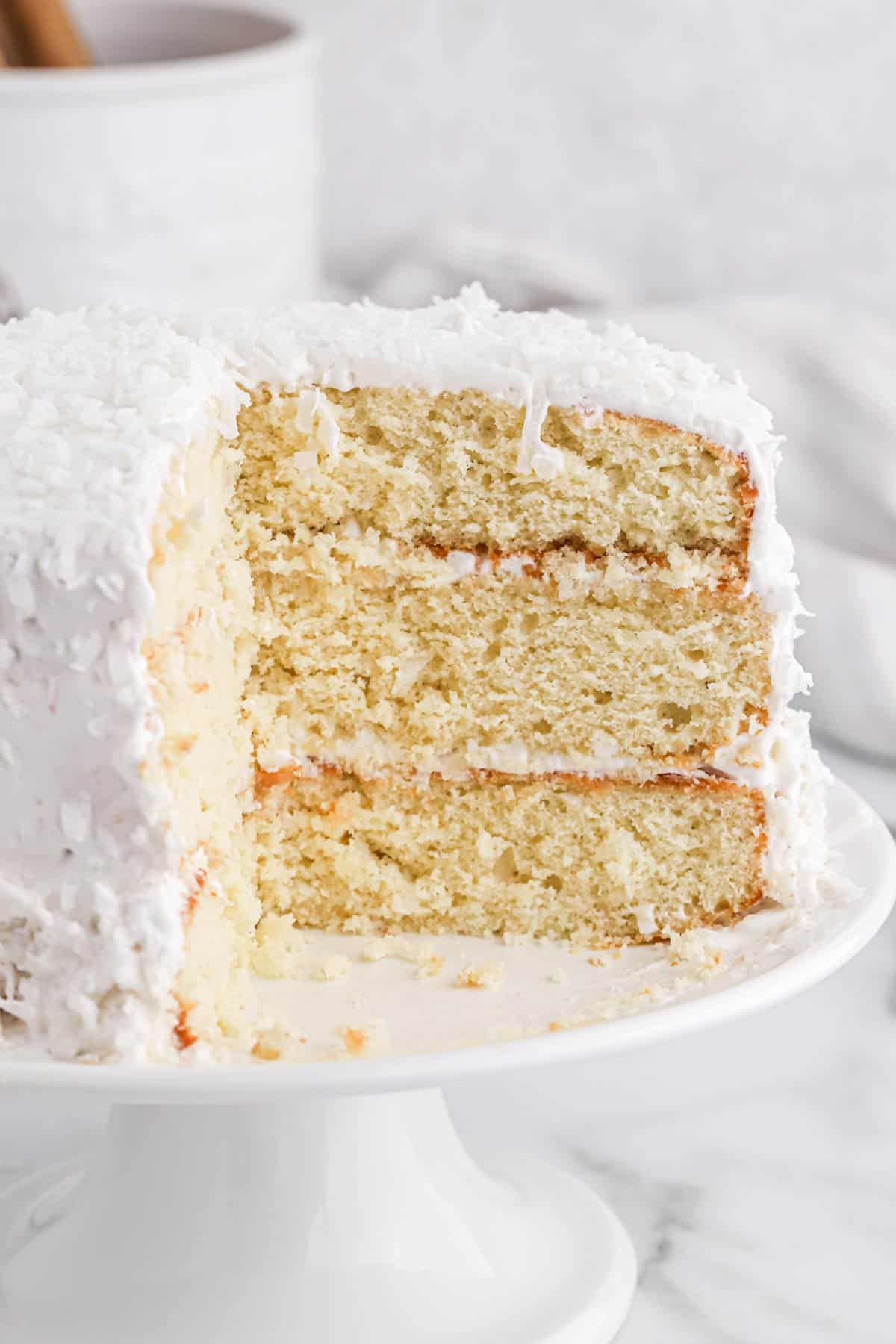
Southern Coconut Cake. It's more than just a dessert; it's a celebration, a memory, and a testament to the warmth and generosity of Southern hospitality. Imagine perfectly moist, tender layers of cake infused with delicate coconut flavor, embraced by an impossibly rich, cloud-like frosting, and crowned with a generous shower of snowy white flakes. This isn't just a cake; it's an experience. If you're ready to unlock the secrets to a show-stopping southern coconut cake that will have everyone asking for the recipe, you've come to the right place.
The Enduring Charm of Southern Coconut Cake: A Culinary Icon
In the South, certain foods hold a revered status, and southern coconut cake is undoubtedly among them. It graces holiday tables, crowns birthday celebrations, and brings comfort to countless family gatherings. While South Carolina may not have an "official" state dessert – a title many might expect to go to peach cobbler, given the state's abundant peach harvest – coconut cake is widely and lovingly embraced as its unofficial sweet ambassador.
The appeal of a homemade southern coconut cake lies in its ability to transform simple ingredients into something truly extraordinary. It's a dessert that speaks of tradition, love, and a little bit of indulgence. The journey from humble flour and sugar to a towering, frosted masterpiece is a rewarding one, promising not just a delicious treat but also the satisfaction of creating something beautiful from scratch. And for special occasions, like surprising a loved one with their favorite dessert, there's nothing quite like pulling out all the stops for a deeply personal, homemade cake.
Unpacking the Elements of Perfection: Layers, Frosting & Flavor
To master the best southern coconut cake, we must delve into its core components. Each element plays a crucial role in achieving that coveted balance of moisture, texture, and exquisite coconut flavor.
The Foundation: Tender, Moist Cake Layers
The heart of any great cake is its crumb, and for a southern coconut cake, that means a texture that is both tender and incredibly moist. Many classic recipes start with a tried-and-true butter cake as their base. This provides a rich, sturdy, yet delicate foundation for the vibrant coconut flavors to shine.
*
Butter Cake Fundamentals: Begin with room-temperature ingredients. This is non-negotiable for proper emulsion and a smooth batter. Creaming butter and sugar together until light and fluffy incorporates air, which contributes to the cake's lift and tenderness. Alternating dry and wet ingredients during mixing helps prevent overmixing, which can lead to a tough cake.
*
The Moisture Secret: Buttermilk: Incorporating buttermilk into your batter is a southern secret for superior moisture and a subtle tang that beautifully complements the sweetness of the coconut. Its acidity also reacts with baking soda, ensuring a tender crumb.
*
Flaked Coconut in the Batter: And here's where we elevate it to truly "southern." For an intensely flavored and textured
Old School Southern Coconut Cake, a brilliant tip from cookbook authors like Patti Pinner suggests incorporating flaked coconut directly into your cake batter. This isn't just for garnish; it infuses every bite with a delightful chewiness and a deeper, more balanced coconut essence that isn't too subtle, nor overpowering.
The Frosting: A Cloud of Coconut Bliss
If the cake layers are the foundation, the frosting is the crown jewel, transforming a simple cake into an "over the top delicious" creation. The right southern coconut frosting should be rich, generously applied, and bursting with fresh coconut flavor.
*
Cream Cheese vs. Meringue-Inspired: While a classic cream cheese frosting is a popular choice for its tangy richness, some traditional southern coconut cakes feature a lighter, meringue-inspired frosting. This style often involves cooked egg whites and butter, creating a silky, dreamy texture that's less dense than buttercream. Whichever style you choose, ensure it's made from scratch for the best flavor and texture.
*
Coconut in the Frosting: Just like the cake layers, the frosting benefits immensely from the inclusion of flaked or shredded coconut. Mixing it directly into the frosting adds another layer of texture and an undeniable punch of coconut flavor. The goal is a harmonious balance, where the coconut is pronounced but not overwhelming.
The Coconut: Choosing Your Star Ingredient
Not all coconut is created equal, and understanding the differences can significantly impact your final cake.
*
Shredded Coconut (Sweetened vs. Unsweetened): Sweetened shredded coconut is widely available and convenient, offering moisture and a sweet chew. Unsweetened shredded coconut offers a purer, more intense coconut flavor and allows you to control the sugar content of your cake.
*
Flaked Coconut: Larger and often drier than shredded, flaked coconut provides a more substantial chew and visual appeal. It's ideal for incorporating into the cake batter for texture and for garnishing.
*
Fresh Coconut: If you're truly ambitious, grating fresh coconut offers the most vibrant, natural flavor. However, it requires extra effort and is less common in everyday baking.
*
Toasting Coconut: For an extra layer of flavor and a beautiful golden hue, lightly toasting some of your shredded or flaked coconut for the garnish can add a delightful nutty note and crunch.
Mastering the Moistness: Tips for a Heavenly Crumb
Achieving that signature moist crumb is crucial for the best southern coconut cake. Here are actionable tips to ensure your cake is never dry:
1.
Room Temperature Ingredients: As mentioned, butter, eggs, and buttermilk should all be at room temperature. This ensures they emulsify correctly, leading to a smooth, uniform batter that bakes evenly and retains moisture.
2.
Don't Overmix! Once you add the dry ingredients to the wet, mix *just until combined*. Overmixing develops gluten, which results in a tough, dry cake. A few lumps are perfectly acceptable.
3.
Accurate Measurements: Baking is a science. Use a kitchen scale for flour if possible, or spoon and level your flour carefully. Too much flour is a common culprit for dry cakes.
4.
Don't Overbake: This is perhaps the most critical tip. Start checking your cake layers at the minimum baking time suggested by the recipe. A toothpick inserted into the center should come out with moist crumbs attached, but not wet batter. Overbaking, even by a few minutes, can dry out your cake.
5.
Cooling Properly: Allow cakes to cool in their pans for 10-15 minutes before inverting them onto a wire rack to cool completely. This transitional cooling helps prevent cracking and ensures the cake maintains its structure. Never frost a warm cake!
6.
Simple Syrup Soak (Optional): For an extra layer of moisture insurance, some bakers brush cooled cake layers with a light simple syrup (equal parts sugar and water, simmered until dissolved and cooled). This adds moisture and can extend the cake's freshness.
Assembling Your Southern Coconut Masterpiece
Once your cake layers are baked and perfectly cooled, the fun of assembly begins.
1.
Level Your Layers: Use a serrated knife or a cake leveler to gently trim the domed tops off your cake layers, creating flat surfaces for even stacking.
2.
The Crumb Coat: Apply a thin layer of frosting all over the cake – top and sides. This "crumb coat" traps any loose crumbs, preventing them from mixing into your final, pristine layer of frosting. Chill the cake for 15-20 minutes to set the crumb coat.
3.
The Final Frosting: Apply a generous, even layer of your delicious coconut frosting. Don't be shy; a southern coconut cake should be well-dressed! Use an offset spatula or bench scraper for smooth sides.
4.
The Signature Garnish: The finishing touch is often a liberal coating of shredded or flaked coconut. Gently press it into the sides and sprinkle generously over the top. For extra flair, you can toast some of the coconut beforehand for a golden, nutty contrast.
Beyond the Bake: Serving & Savoring Your Creation
The true joy of a homemade southern coconut cake lies in sharing it. Whether it's the centerpiece of a birthday feast, a showstopper at your holiday dessert table, or simply a sweet ending to a Sunday dinner, its presence signals a special occasion. Cut generous slices and watch the faces light up. The balance of sweet cake, rich frosting, and textural coconut makes every bite a moment to savor.
Store any leftovers at room temperature for a day or two, or in the refrigerator for up to five days. Bringing it back to room temperature before serving will enhance its flavors and textures.
Conclusion
Crafting the best southern coconut cake is a delightful journey that rewards you with an iconic dessert beloved for generations. By focusing on tender, moist cake layers, a rich and flavorful frosting, and the strategic use of coconut in both the batter and the topping, you can create a masterpiece that embodies the warmth and tradition of the South. So, gather your ingredients, follow these tips, and prepare to delight your taste buds with a truly unforgettable southern coconut cake. It's more than just a recipe; it's an heirloom of flavor waiting to be passed down and savored.